
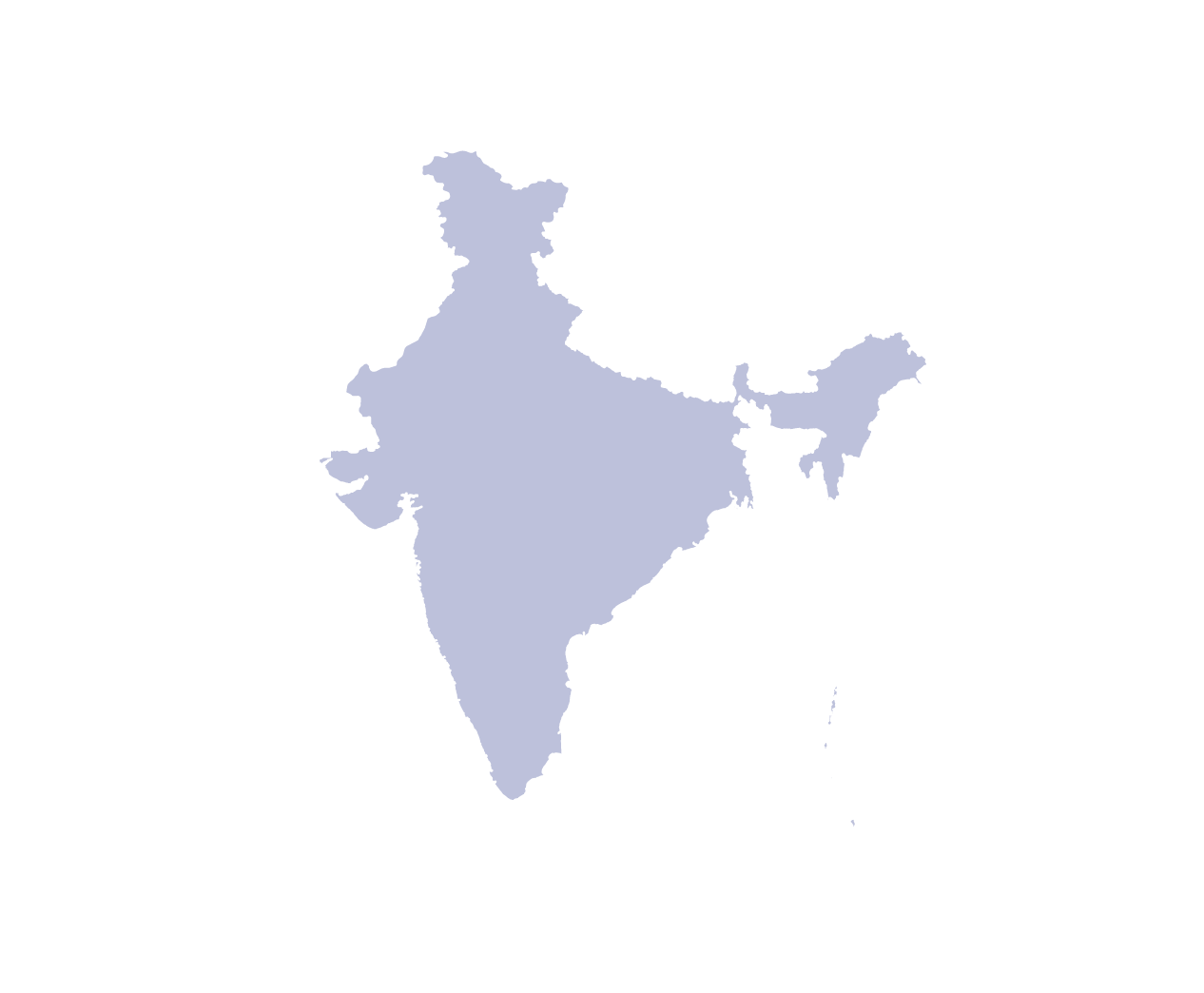



The paint and coatings industry in India is growing rapidly. At the same time, demands for safety, energy efficiency, and plant availability are on the rise. In this interview, Jitendra Singh, Director of Business Development at Leadec India, explains why data-driven maintenance is becoming a key success factor, what role industrial service partners play in achieving ESG goals, and how companies can strengthen their production sites for the future.
"Proactive maintenance is the most powerful driver of competitiveness"
The paint and coatings industry operates highly complex production facilities under stringent safety requirements. From your perspective, what are currently the biggest challenges in ensuring high plant availability at manufacturing sites in India?
Given the fact that these plants follow stringent safety protocols, striking the right balance between safety requirements and operational efficiency becomes quite a challenge. Environmental and occupational compliance is non-negotiable, but if it is not managed well, it can add process complexity and slow down operations.

Workforce readiness is another critical piece: as plants adopt more advanced automation, the gap between available skills and what modern equipment demands is widening, which makes training and retention not just an HR priority but a plant‑availability issue. Also, a lot of Indian manufacturing sites are still working with legacy equipment, not designed for digital monitoring in mind, so integrating digital maintenance tools into that older infrastructure takes real effort.
India is considered one of the most dynamic paint and coatings markets worldwide. What changes are you observing in the requirements of your customers in this industry, particularly with regard to production capacity and technical services?
Customer requirements in India’s paint and coatings industry are changing rapidly as the sector becomes a high-tech, high-volume manufacturing market. Customers are moving away from smaller batch setups to large-scale, closer to customers with multiple plants across the country, automated greenfield or brownfield facilities and to achieve economies of scale.
Intense competition from new large-scale entrants and India’s infrastructure boom are significantly raising expectations around production capacity and technical services. Manufacturers require high-speed, automated raw material dispensing and precise in-line tinting technology. Since the market is expanding heavily into specialized segments, technical services have changed from a basic sales support function into a key competitive differentiator.
Energy is a major cost factor in paint and coatings manufacturing. Which measures to improve energy efficiency have proven especially successful for your customers?
For them the most effective energy-efficiency measures combine technology upgrades with process optimization. Automation and smart monitoring systems enable real-time tracking of energy consumption, allowing plants to identify inefficiencies and respond quickly. Many facilities have also invested in heat recovery systems and optimized HVAC operations to reduce energy waste. In addition, switching to renewable energy sources such as solar power, alongside the use of energy‑efficient motors and lighting, has proven effective. Finally, structured maintenance programs that keep equipment running at peak performance play a crucial role in lowering overall energy cost while ensuring consistent production quality. compliance.
What role can industrial service partners play in helping manufacturing sites achieve their ESG and climate goals?
Industrial service partners play a genuinely pivotal role in helping manufacturing sites meet their ESG and climate goals — not just as vendors, but as enablers of sustainable transformation. They bring specialized expertise in energy optimization, waste reduction, and water management, helping plants meet environmental standards while maintaining cost efficiency. With digital monitoring tools and predictive maintenance, they can help sites reduce emissions and resource consumption in ways that are measurable and sustainable. Beyond the technical side, strong service partners also help companies navigate complex regulations, build workforce awareness through structured training, and design solutions tailored to each site — whether that’s integrating renewable energy or embedding circular‑economy principles into daily operations. In essence, they act as strategic collaborators who bridge operational excellence with sustainability, helping manufacturing sites not just meet their ESG commitments, but strengthen their long‑term competitiveness in the process.

Industrial companies are reporting a shortage of qualified technicians. How is Leadec India addressing this challenge, and which skills and competencies do you expect to be in greatest demand in the future?
At Leadec India, we address this challenge through a three-pronged approach: hiring, upskilling, and retention. We recruit through dedicated regional teams and a successful employee referral program. We also invest in continuous on-the-job training to build expertise in automation, robotics, and digital maintenance. To retain talent, we focus on, and support long-term employee retention with career development opportunities, competitive benefits, and a strong culture of engagement. This ensures that we can meet the growing demand for multi-skilled technical professionals.
If you could give a plant manager only one recommendation to sustainably enhance the competitiveness of their site, what would it be and why?
If I could give a plant manager just one recommendation, it would be this: build a culture of proactive, data-driven maintenance instead of reactive firefighting. By transforming utility data from a back-office accounting metric into a real-time operational dashboard, plant managers can cut production costs, extend equipment lifespans, and generate the audit-ready data required for modern ESG and regulatory compliance.
About the interviewee

You may also be interested in the following articles:
All
 Article10/20/2026
More Energy, Better Balance, Greater Well-Being
During Mental Health Week, Leadec teams highlighted the importance of well-being, resilience, and fostering an open dialogue about mental health challenges.
 Video10/06/2026
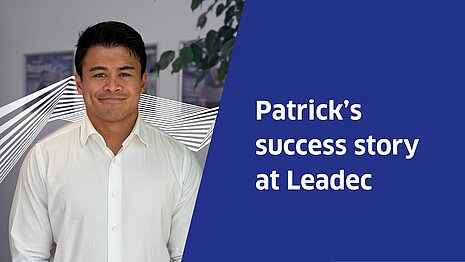
From the Military to the Cloud: Patrick’s Success Story at Leadec
Originally from California, Patrick came to Germany through the U.S. Army. After completing his military career, he decided to stay in Germany permanently and begin a new chapter in his professional life.
 Video09/01/2026
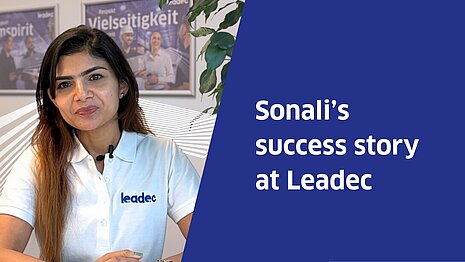
Experience meets new perspectives: Sonali’s success story at Leadec
Looking for an international environment where she could further develop her technical expertise, Sonali saw Germany as an ideal opportunity and found the right platform for her career at Leadec.
 Video08/18/2026
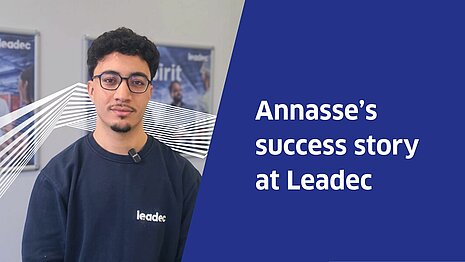
A clear goal in mind: Annasse’s success story at Leadec
Annasse wanted to further develop his technical skills and gain practical experience. That’s why he moved from Morocco to Germany about two and a half years ago and began an apprenticeship as an electronics at Leadec in Gaimersheim.
 Video08/04/2026
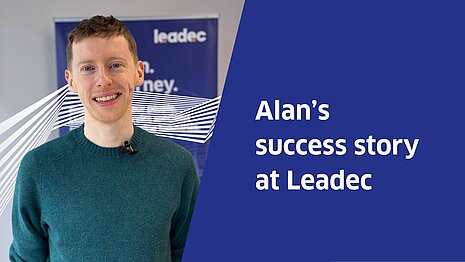
Embracing a new culture with openness: Alan’s success story at Leadec
For Alan, moving from Ireland to Germany marked the beginning of a new chapter – both personally and professionally. Motivated by the opportunity to experience a new culture and learn another language, he also brought valuable expertise and professional experience to the team.